July 1, 2026
Managing rainwater effectively is one of the most critical aspects of maintaining a secure and sustainable property. When heavy storms strike, the sheer volume of water rushing off a roof can quickly overwhelm the surrounding landscape and threaten the physical foundation of a building. Implementing targeted drainage techniques ensures that your property remains resilient against soil erosion, structural dampness, and costly exterior wear.
1. Determining the Optimal Spacing Across the Roofline
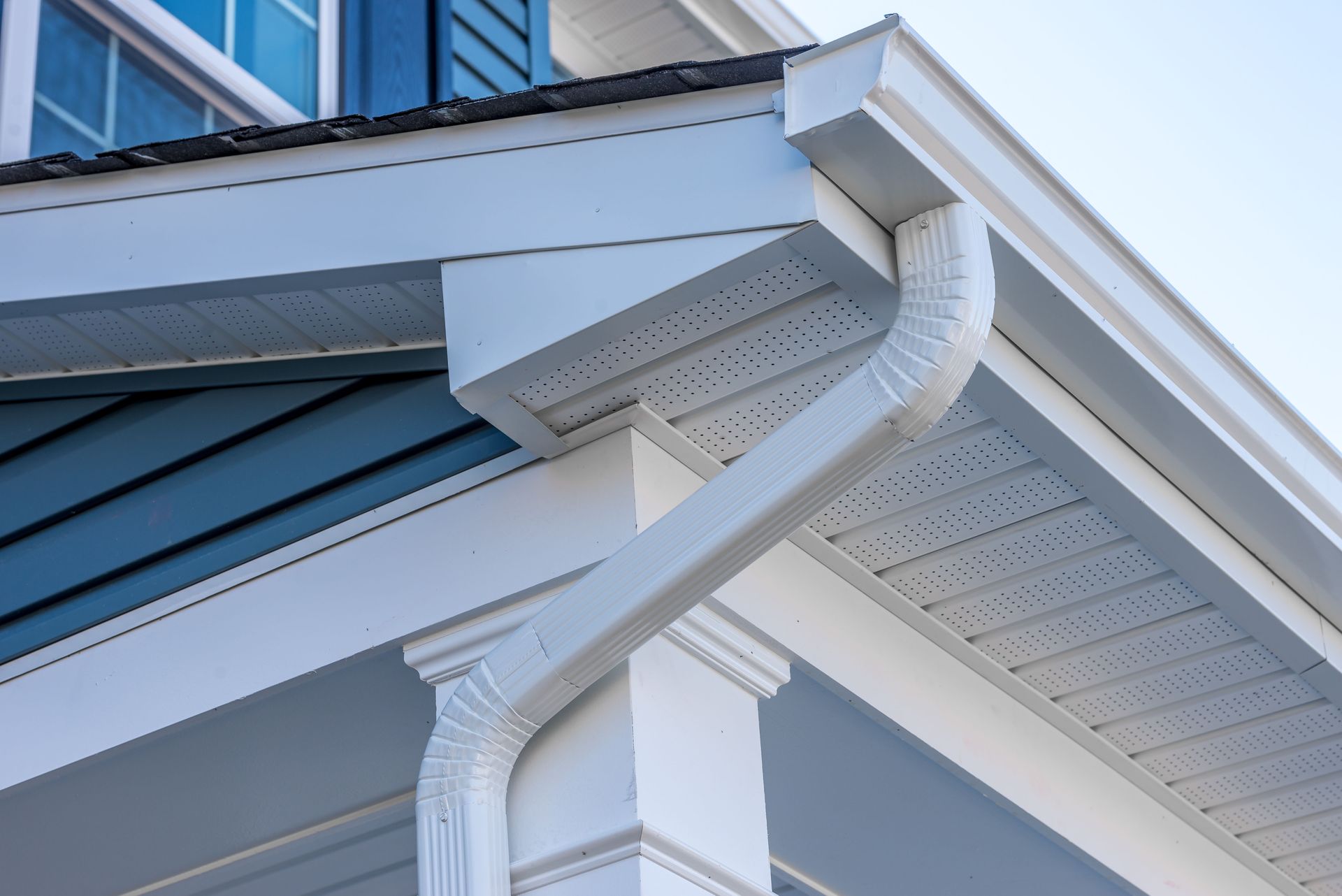
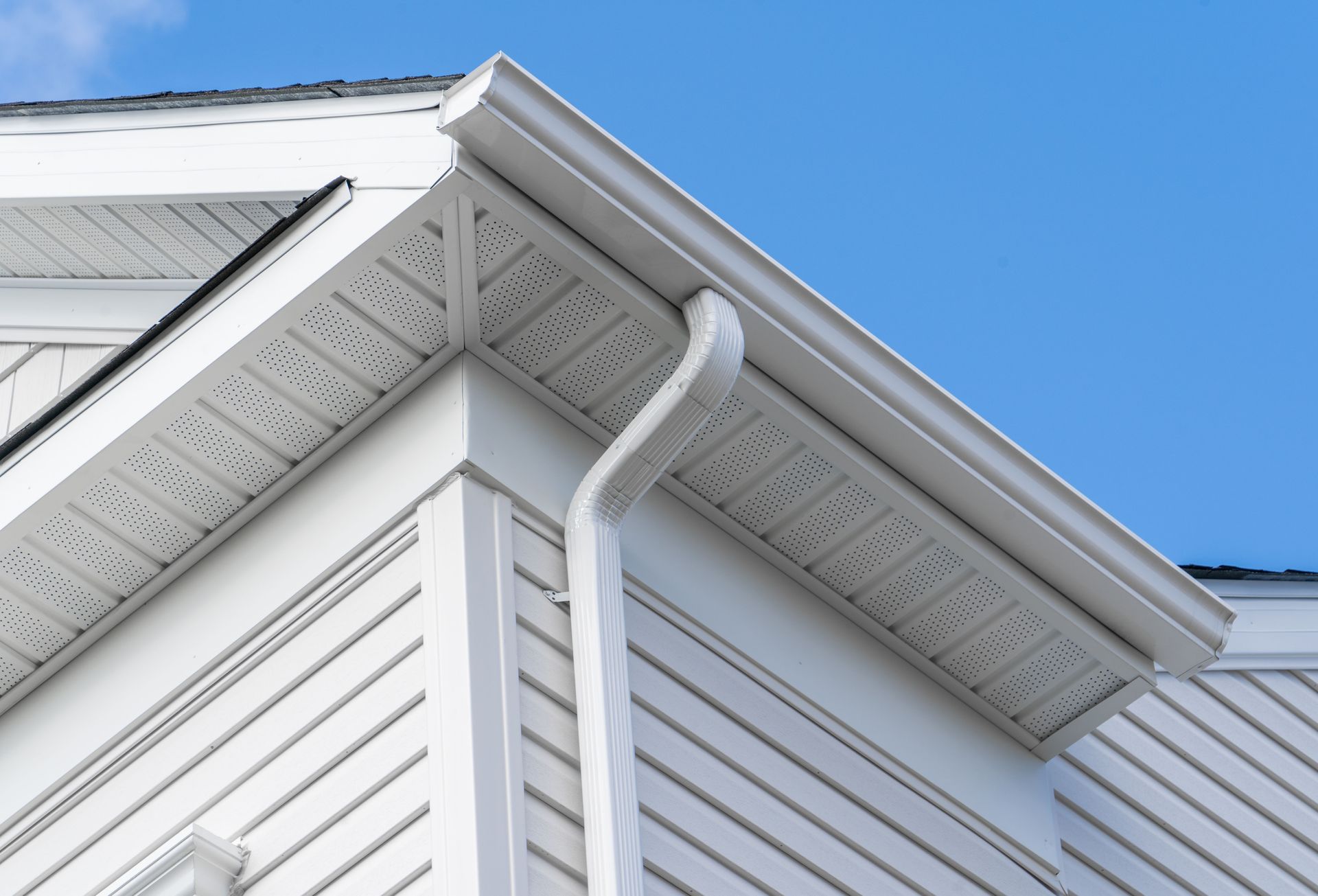
The foundation of an effective drainage network relies heavily on placement and systemic balance. If vertical drainage pipes are positioned too far apart, the horizontal channels will inevitably overflow during intense downpours, leading to water cascading directly down the siding of the building. Conversely, placing them too close together creates unnecessary clutter and inflates structural maintenance costs. Finding the perfect mathematical distribution across your fascia board prevents localized bottlenecks and maximizes system performance.
Achieving this critical balance requires adhering to established engineering standards rather than relying on guesswork. According to the Building America Solution Center, downspouts should be placed at least 20 feet apart, but no more than 50 feet apart. This specific zoning strategy accounts for average rainfall intensities while preventing any single section of your roof from bearing too much hydraulic weight. Incorporating this distance metric during your initial downspout installation guarantees that the horizontal troughs empty efficiently before moisture can back up under the shingles.
When mapping out these distances, professional installers carefully evaluate the total square footage of the roof surface and the pitch of each slope. Steeper roofs shed water at a much faster velocity, meaning that the strategic installation must be meticulously calculated to handle sudden surges. Aligning your property layout with these precise spatial specifications minimizes systemic stress and ensures long-term operational success.
2. Extending the Discharge Zone Safely Away from Foundations
Directing water away from the upper levels of a property is only half the battle when designing a high-performance drainage network. If the vertical pipes deposit heavy rainfall right at the base of the exterior walls, the water will saturate the soil and exert immense hydrostatic pressure on the concrete foundation. Over time, this recurring pooling can cause the ground to shift, leading to cracked basement walls and severe structural instability.
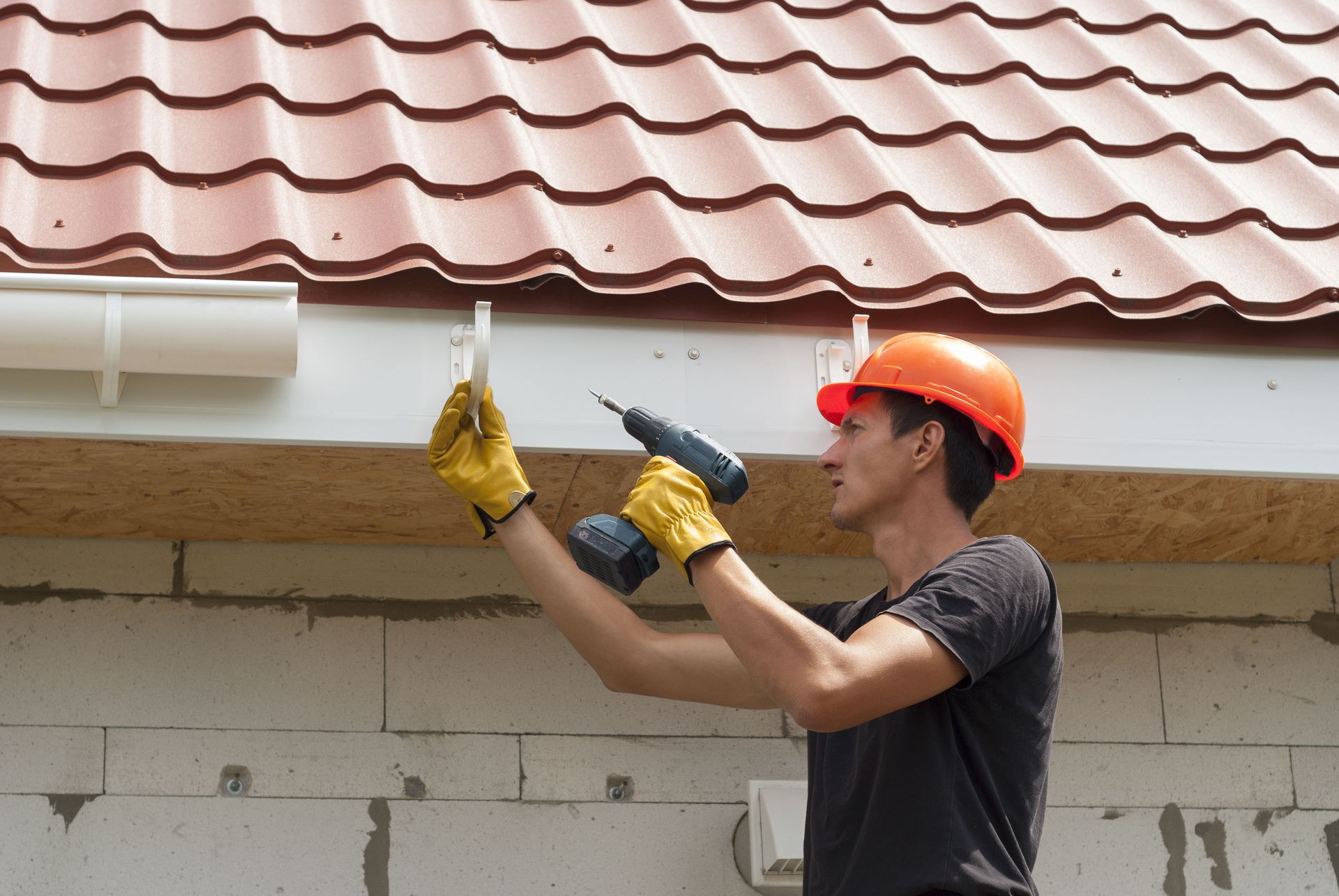
To counter this hazard, a successful downspout installation must incorporate calculated discharge extensions that physically transport the water several feet out into the yard. These extensions can take the form of visible decorative trays, flip-up hinges that allow for easy lawn care, or underground piping networks that lead to a localized storm drain installation. By moving the exit point far beyond the structural backfill zone, you preserve the compact integrity of the surrounding soil.
Furthermore, integrating advanced storage options like a professional rain barrel installation at the exit points can transform a drainage necessity into an eco-friendly asset. Collecting clean rooftop runoff allows property owners to recycle water for landscaping needs while simultaneously reducing the volume of water striking the ground all at once. No matter which extension style you select, a precise installation ensures that the final exit zone works in complete harmony with your broader landscape topography.
3. Selecting the Right Material for Long Term Durability
The physical composition of your drainage components plays a massive role in how well the system resists environmental wear and tear. Standard buildings are subject to fluctuating seasonal temperatures, intense ultraviolet exposure, and heavy physical impacts from falling branches or debris. Opting for low-grade components often leads to premature cracking, splitting seams, and frequent system failures that can disrupt your daily operations.
For modern properties seeking a blend of strength and visual appeal, a seamless aluminum downspout installation remains an incredibly popular option. Aluminum is lightweight, completely rust-proof, and can be custom-shaped on-site to match the exact contours of your exterior architecture. For historical properties or premium commercial designs, a specialized copper gutter installation provides unmatched longevity along with a distinctive aesthetic that matures beautifully over time.
Investing in robust materials significantly reduces the likelihood of leaks forming along vertical joints and corners. When a professional downspout installation is executed using high-grade fasteners and heavy-gauge metals, the entire framework gains the structural integrity needed to withstand torrential downpours. Selecting the appropriate material ensures that your system continues to provide top-tier performance without requiring constant structural interventions.
4. Integrating Specialized Protection and Gutter Guard Systems
Even the most precisely configured drainage infrastructure can fail if airborne debris is allowed to accumulate inside the channels. Leaves, twigs, pine needles, and roofing granules frequently wash into the upper tracks, creating thick clogs that prevent water from reaching the vertical exits. When a blockage occurs, the trapped water stagnates, creates a breeding ground for pests, and adds immense physical weight to the fascia board.
Combining a comprehensive leaf guard installation with your vertical pipes is the most efficient way to maintain a continuous, unobstructed flow. These protection systems act as a physical barrier that filters out solid waste while allowing clean water to filter through effortlessly. By keeping the internal pathways completely clear, you ensure that every downspout installation operates at peak hydraulic capacity during sudden storms.
5. Planning for Winter Weather and Ice Dam Prevention
Cold weather introduces unique structural challenges to exterior water management systems, especially in regions prone to heavy snowfall and freezing cycles. When snow melts on a roof and freezes again as it hits the cold edge of the roofline, it forms a thick ridge known as an ice dam. This solid block of ice prevents subsequent meltwater from draining, forcing the liquid to back up under the shingles and leak into the interior ceilings.
If the vertical paths are clogged or improperly aligned, the trapped water will freeze solid inside the pipes during winter. This internal expansion can split the metal seams open, pull the brackets away from the siding, and render the system useless when the next thaw occurs. Addressing these vulnerabilities requires a combination of seasonal monitoring and professional ice dam removal to keep the water pathways entirely clear.
6. Adhering to Routine Maintenance and Targeted Repairs
A reliable drainage network is not a set-it-and-forget-it asset; it requires periodic professional oversight to ensure all components remain aligned. Over time, shifting soils, building settling, and severe windstorms can loosen fasteners and cause heavy vertical lines to sag or pull away from the wall. Even a minor misalignment can disrupt the gravitational flow of water, leading to localized overflows and accelerated exterior wear.
Scheduling a professional gutter inspection at least twice a year allows property owners to identify subtle structural shifts before they escalate into major failures. If a section of pipe is found to be loose or leaking, a timely downspout repair can restore full functionality without the need for a complete system replacement. Replacing old seals and realigning brackets ensures that your initial downspout installation investment continues to deliver exceptional protection year after year.
If you are ready to upgrade your exterior drainage network or require a specialized system assessment, expert assistance is just a phone call away. The skilled team at Wallis Guttering Company provides top-tier gutter installation, advanced gutter protection systems, and comprehensive maintenance services designed to keep your property fully protected. Contact Wallis Guttering Company today to receive a free estimate and secure long-term peace of mind for your home or business.