May 4, 2026
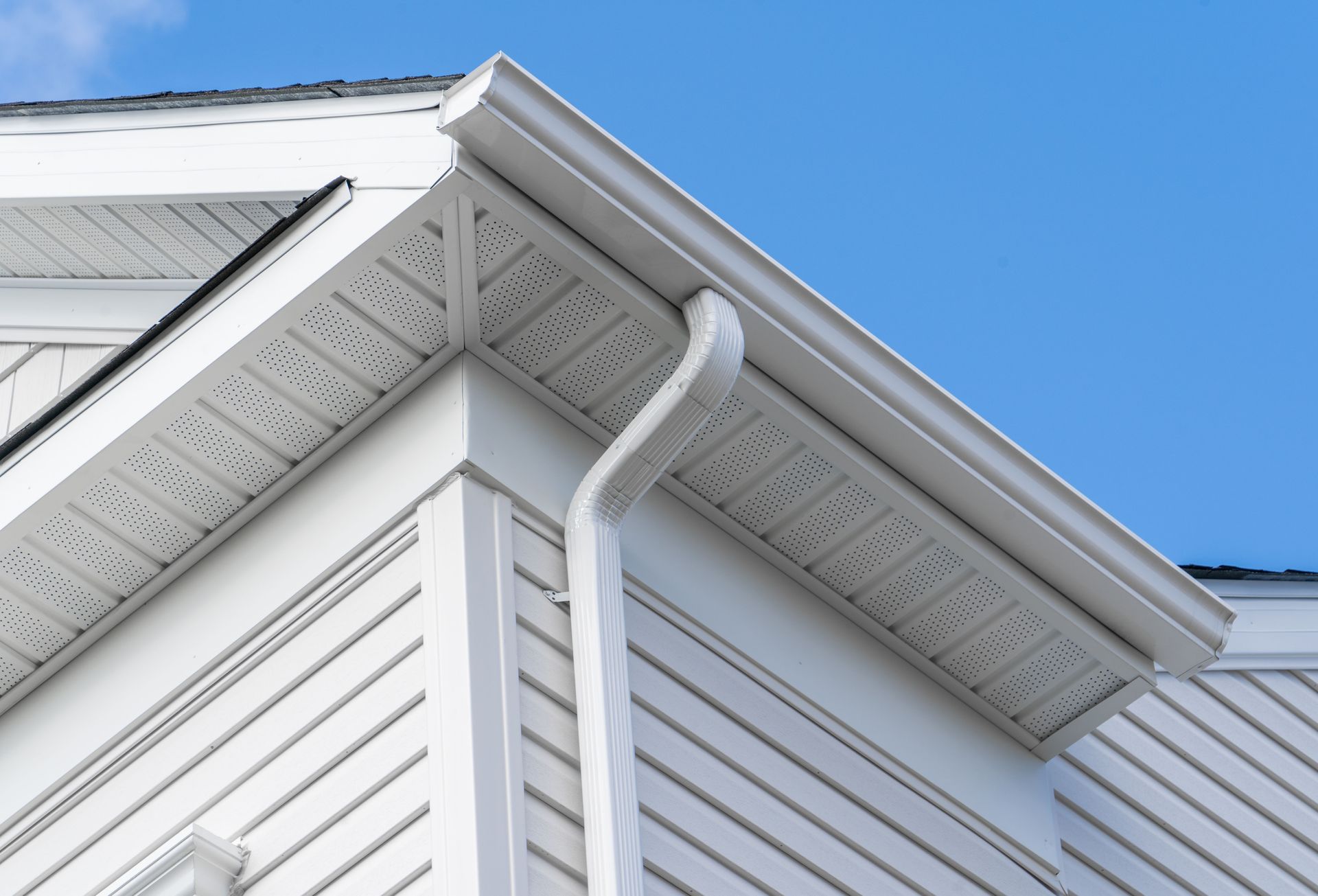
Maintaining a home requires a keen eye for detail and a commitment to long-term preservation. Among the various components that shield a property from the elements, the drainage system is perhaps the most vital. Implementing professional gutter protection strategies can prevent structural decay and maintain the visual appeal of your exterior. Taking a proactive approach to exterior management prevents minor issues from becoming major burdens for property owners.
1. Invest in High-Quality Materials
Selecting the right materials for your drainage system is the first step toward long-term home health. Professional-grade options offer durability that standard retail products simply cannot match. When a specialist installs advanced gutter protection, they prioritize materials that resist corrosion and withstand heavy impacts from falling debris or extreme weather conditions. This foundation is necessary for a system that functions flawlessly year after year.
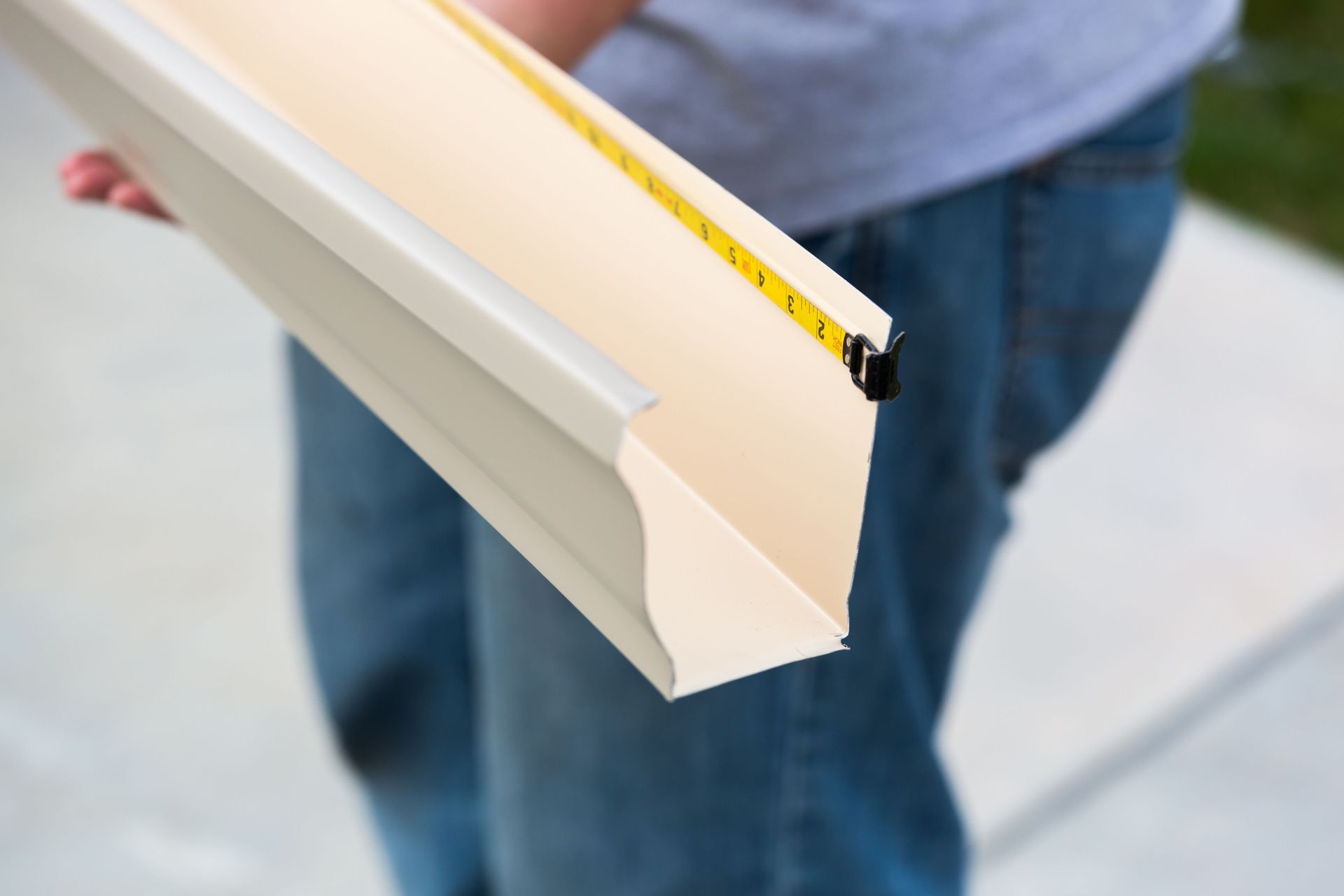
Heavy-duty aluminum or surgical-grade stainless steel are often the preferred choices for modern installations. These materials do not warp or crack when exposed to fluctuating temperatures. By choosing high-end components, you reduce the likelihood of frequent repairs. Utilizing these superior materials keeps the system resilient against the constant pressure of environmental stressors. A robust system manages water flow efficiently, directing moisture away from the siding and foundation where it could otherwise cause significant damage over time.
Quality components also contribute to the overall curb appeal of the property. Modern designs are sleek and low-profile, blending into the roofline rather than standing out as an eyesore. Professionals possess the tools and knowledge to integrate these systems seamlessly. This aesthetic harmony, combined with functional superiority, makes high-quality material selection a cornerstone of effective property management and exterior maintenance.
2. Schedule Regular Professional Inspections
Routine evaluations by experts are essential for identifying subtle issues before they escalate into costly problems. Even the most advanced gutter protection requires an occasional professional eye to verify that alignment remains perfect. Over time, ground shifting or heavy storms can cause slight displacements. A technician can recalibrate the pitch of the channels to maintain the precise flow of water toward the downspouts.
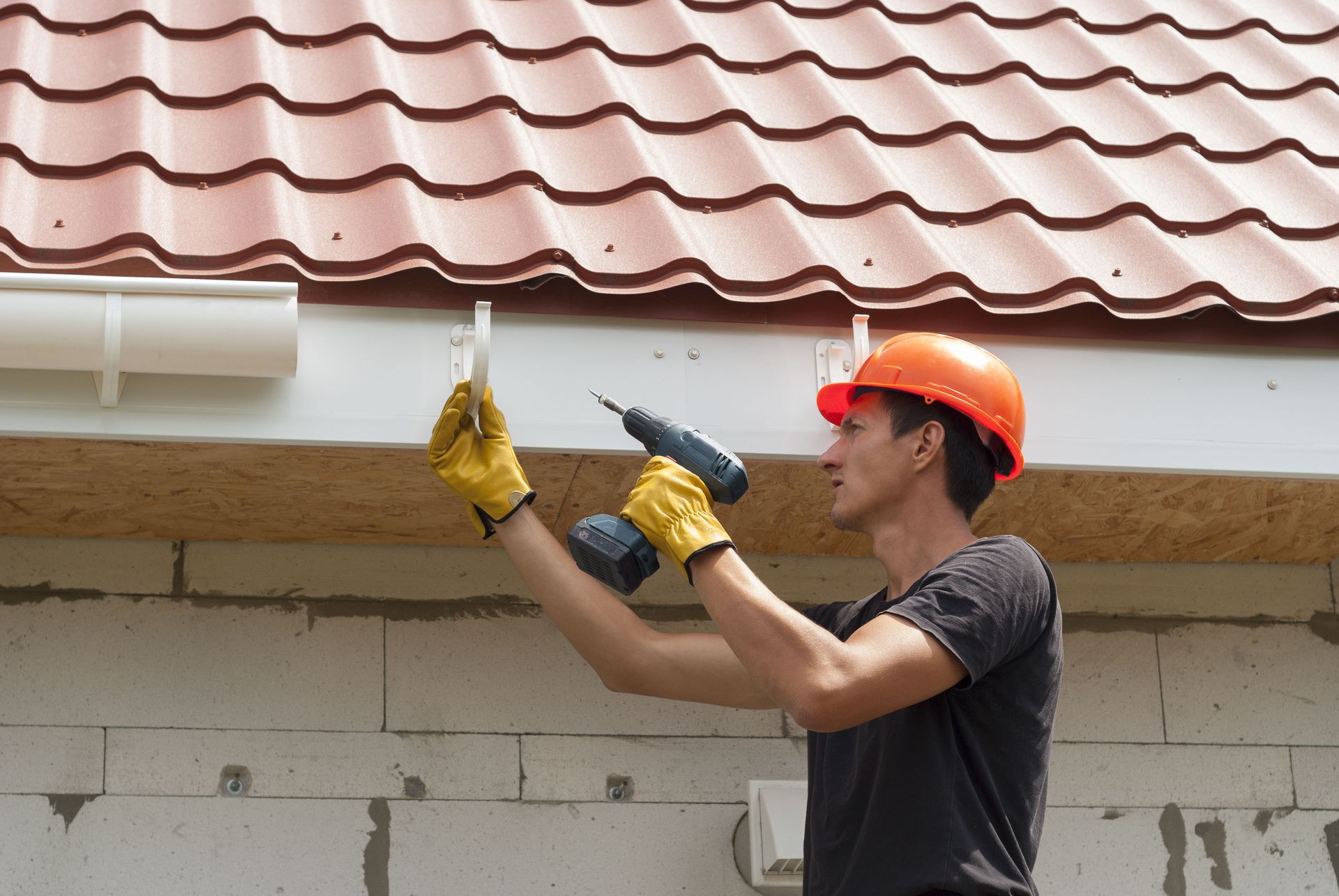
During these visits, experts look for signs of wear that the untrained eye might overlook. They check the integrity of the hangers and look for hidden leaks at the seams. Catching a small gap early prevents water from seeping into the fascia boards or the soffit. This proactive approach extends the lifespan of the entire drainage network and keeps the home dry. According to IBIS World, approximately 5,159 gutter services businesses are currently in operation nationwide as of 2025.
Beyond physical damage, professionals check for environmental factors that might impede performance. They analyze how different types of foliage in your specific area affect the system. This insight allows them to recommend specific maintenance intervals tailored to your landscape. Regular oversight provides peace of mind, knowing that the primary defense against water damage is operating at peak efficiency throughout every season of the year.
3. Prioritize Effective Water Redirection
The primary goal of any drainage system is to move water as far from the foundation as possible. Effective gutter protection involves more than just keeping leaves out; it includes managing the volume of water during heavy downpours. Professionals can install oversized downspouts or underground tiling to handle massive amounts of runoff. This prevents the soil around the basement from becoming too moist and causing hydrostatic pressure.
Proper redirection also protects the landscaping and hardscaping around the home. When water overflows from clogged or poorly designed channels, it can wash away expensive mulch and drown delicate plants. It can also cause cracks in concrete walkways or driveways as the soil underneath shifts. By utilizing professional installation techniques, you keep your garden beds intact and your walkways level, preserving the beauty of your outdoor living spaces.
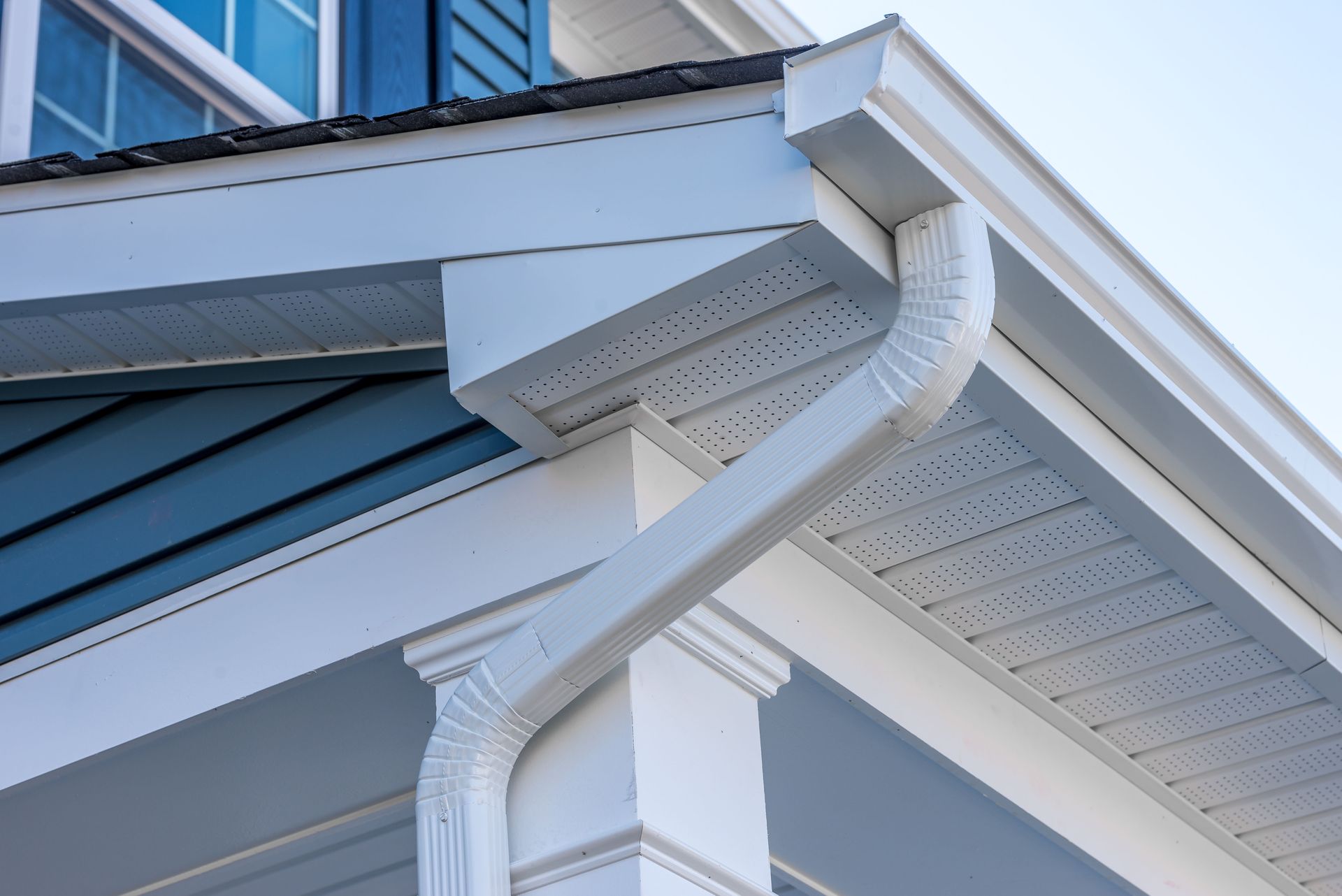
In many cases, experts suggest integrated splash blocks or decorative extensions to manage the exit point of the water. These additions are designed to dissipate the energy of the falling water, preventing erosion at the base of the downspouts. A well-designed exit strategy is just as important as the entry point at the roofline. Strategic placement of these components guarantees that moisture is deposited in designated areas that can safely absorb the runoff. Every component must work in unison to facilitate a clear path for rainwater from the clouds to the curb.
4. Optimize System Alignment and Pitch
The physics of water flow requires precise calculations to prevent pooling and stagnation. Professionals use specialized levels and measuring tools to establish the perfect pitch for every foot of the run. If the slope is too shallow, water sits in the bottom of the channel, leading to mosquito breeding and rust. If the slope is too steep, the water can overshoot the downspouts during a heavy storm.
Expert installers also pay close attention to the alignment of the gutter protection relative to the drip edge of the roof. This positioning is critical for capturing water as it rolls off the shingles. If the system is too low, water will simply bypass it and fall directly against the house. If it is too high, it can interfere with the roof warranty or cause ice dams in colder climates. Achieving the "Goldilocks" zone requires experience and precision.
Proper alignment also accounts for the expansion and contraction of the house itself. Homes are dynamic structures that move slightly with the seasons. A professional installation includes specialized fasteners that allow for this movement without compromising the stability of the system. This technical foresight prevents the sagging and pulling away from the house that often plagues older or poorly installed setups, keeping the drainage lines straight and functional.
5. Enhance Home Structural Integrity
A fully functional drainage system is a primary defender of a home's structural core. By preventing water from cascading down the walls, gutter protection helps keep the siding clean and free from mold or mildew. Constant moisture against wood or vinyl can lead to rot and discoloration that is difficult to reverse. Keeping the exterior dry is the most effective way to preserve the materials that keep your family safe and warm.
Foundation health is the most critical benefit of a managed water system. When water pools at the base of a home, it can seep into the crawlspace or basement, leading to structural instability and poor indoor air quality. Professionals understand the geological factors of your area and can suggest configurations that mitigate these risks. A stable foundation is the most expensive part of a home to repair, making prevention a very wise investment.
Finally, protecting the attic and roof edges from moisture intrusion prevents the decay of the rafters and sheathing. Water that backs up under the shingles can cause internal leaks that damage ceilings and insulation. A professional system keeps the water moving forward and away, maintaining a dry environment from the peak of the roof to the bottom of the basement. Consistent maintenance through expert services is the most reliable way to secure these long-term benefits for your property.
Investing in professional drainage solutions is a commitment to the longevity of your home. By prioritizing high-grade materials and expert oversight, you avoid the pitfalls of water damage and structural decay. These smart strategies for gutter protection keep your property safe, dry, and beautiful, regardless of the weather conditions outside. For a comprehensive evaluation of your home’s exterior drainage, contact Wallis Guttering Company to schedule a professional consultation.